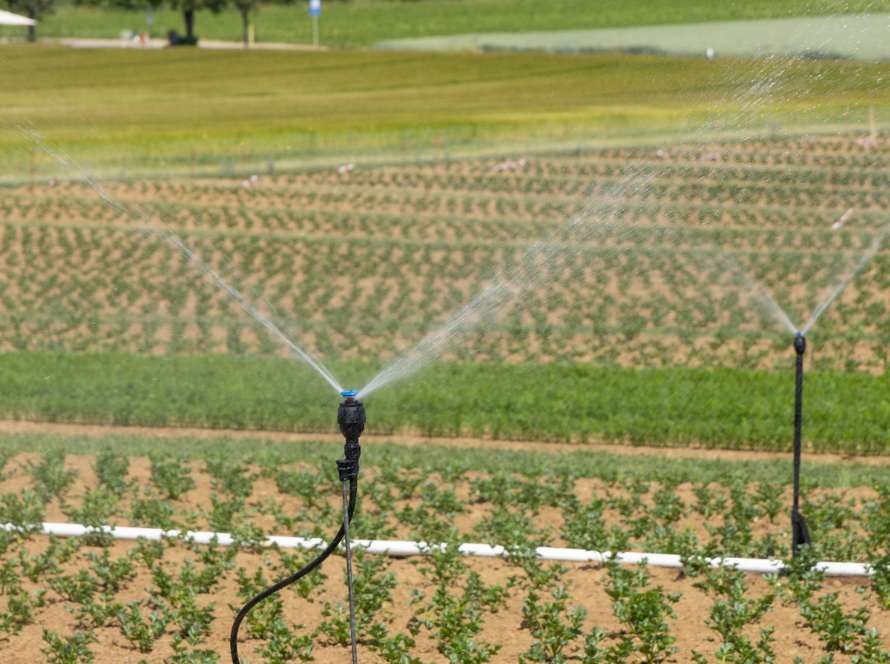
Irrigation water is the lifeline of Pakistan’s agriculture, supporting more than 90% of the cultivated land, predominantly through the Indus Basin Irrigation System (IBIS). While water is often perceived as a free resource, the economic cost of its extraction, conveyance, and application is significant. Understanding the economics of irrigation water is crucial for farmers, agricultural planners, and policymakers to optimize water use, improve farm profitability, and ensure sustainable water management.
Water scarcity, declining groundwater, and inefficient irrigation practices have highlighted the need to value water economically, promoting efficient use and conservation. Proper economic assessment also helps in policy formulation, pricing mechanisms, and investment decisions in irrigation infrastructure.
1. Economic Value of Irrigation Water
1.1 Direct Economic Benefits
- Water directly contributes to crop yield and quality, impacting farm income.
- For high-value crops such as fruits, vegetables, and sugarcane, efficient water use can increase net returns by 20–50%.
- In canal-irrigated areas, the availability of water determines cropping patterns, planting dates, and farm profitability.
1.2 Indirect Economic Benefits
- Reliable irrigation supports livestock, fisheries, and agro-processing industries.
- Reduces crop losses due to drought or water stress.
- Enhances employment opportunities in farming, maintenance, and related services.
1.3 Opportunity Cost
- In water-scarce regions, irrigation water diverted to low-value crops represents a loss of potential income.
- Economic evaluation encourages farmers to adopt high-value, water-efficient crops, maximizing returns per unit of water.
2. Cost Components of Irrigation Water
2.1 Infrastructure and Conveyance Costs
- Canal construction, maintenance, and lining represent a significant portion of water cost.
- In Pakistan, maintenance of the IBIS—including barrages, canals, and distributaries—requires millions of rupees annually.
- Inefficient canals lead to losses up to 30–40% of diverted water.
2.2 Energy Costs
- Groundwater pumping for tube wells consumes electricity or diesel, adding to irrigation costs.
- In areas with deep water tables, pumping costs can account for 30–50% of total irrigation expenses.
- Solar-powered pumps are emerging as cost-saving alternatives.
2.3 Labor Costs
- Water application, canal management, and field maintenance require labor input.
- Efficient irrigation systems (drip, sprinkler) reduce labor requirements compared to traditional flood irrigation.
2.4 Operational and Maintenance Costs
- Cleaning canals, repairing leaks, and maintaining pumps or pressurized systems contribute to recurring costs.
- Poor maintenance increases water losses and reduces system efficiency, impacting economic returns.
3. Pricing and Water Management Policies
3.1 Canal Water Pricing
- Pakistan employs warabandi (rotational water distribution) and nominal charges for canal water.
- Prices are often below the true economic cost, leading to overuse and inefficiency.
- Economic valuation supports rational pricing to encourage conservation without burdening smallholder farmers.
3.2 Groundwater Management
- Unregulated pumping leads to groundwater depletion and rising extraction costs.
- Policies such as regulated tubewell use, groundwater pricing, and recharge programs can optimize economic and environmental benefits.
3.3 Incentives for Efficient Irrigation
- Subsidies for drip and sprinkler systems, laser leveling, and pump modernization can increase water productivity.
- Economic incentives encourage adoption of water-saving technologies, enhancing profitability and sustainability.
4. Water Productivity as an Economic Indicator
- Water productivity measures crop output per unit of water applied.
- High water productivity translates into higher economic returns for the same water input.
- Strategies to improve water productivity include:
- Switching to high-value crops suitable for available water.
- Integrating pressurized irrigation systems to reduce water losses.
- Coordinating irrigation scheduling with crop water requirements.
- Implementing soil moisture monitoring and decision support systems.
5. Challenges in Economic Management of Irrigation Water
- Low Awareness Among Farmers
- Many smallholders treat water as free, leading to overuse and waste.
- Inefficient Infrastructure
- Old canals, unlined channels, and poorly maintained field systems increase costs indirectly through water losses.
- Limited Data for Policy Making
- Accurate assessment of irrigation water costs, returns, and productivity is limited in Pakistan, making policy decisions challenging.
- Socioeconomic Constraints
- Smallholder farmers often cannot afford modern irrigation technology, limiting economic optimization.
6. Options to Improve Economic Efficiency of Irrigation Water
6.1 Infrastructure Modernization
- Canal lining, automation of gates, and efficient field channels reduce conveyance losses and operational costs.
6.2 Adoption of Efficient Irrigation Systems
- Drip, sprinkler, and micro-irrigation increase water productivity and reduce labor costs.
- High-value crops with optimized irrigation schedules maximize returns per unit of water.
6.3 Policy Interventions
- Rational water pricing and controlled groundwater pumping encourage efficient use.
- Incentives and subsidies promote investment in modern irrigation infrastructure.
6.4 Training and Awareness Programs
- Educating farmers on economic value of water, irrigation efficiency, and crop-water economics can improve decision-making.
6.5 Technological Integration
- Remote sensing, soil moisture sensors, and mobile decision-support apps help align irrigation with crop water requirements, reducing waste and costs.
7. Implications for Sustainable Agriculture
- Increased Farm Profitability: Efficient water use reduces costs and increases crop yield.
- Water Conservation: Optimizing water use preserves scarce resources for future generations.
- Climate Resilience: Proper economic valuation helps farmers cope with droughts, erratic rainfall, and water scarcity.
- National Food Security: Efficient water use supports higher productivity, ensuring adequate food supply.
Conclusion
Understanding the economics of irrigation water is critical for Pakistan, where agriculture depends heavily on irrigation. While water is often considered a free resource, recognizing its economic value can drive efficiency, promote sustainable practices, and enhance crop profitability.
By modernizing infrastructure, adopting efficient irrigation systems, implementing supportive policies, and raising awareness, Pakistan can achieve economic, environmental, and social benefits from its irrigation water. Proper economic management of irrigation is not only a farm-level concern, but also a national priority for sustainable water and food security.
Efficient and economically optimized irrigation water use is a cornerstone of sustainable agriculture and resilient livelihoods in Pakistan.