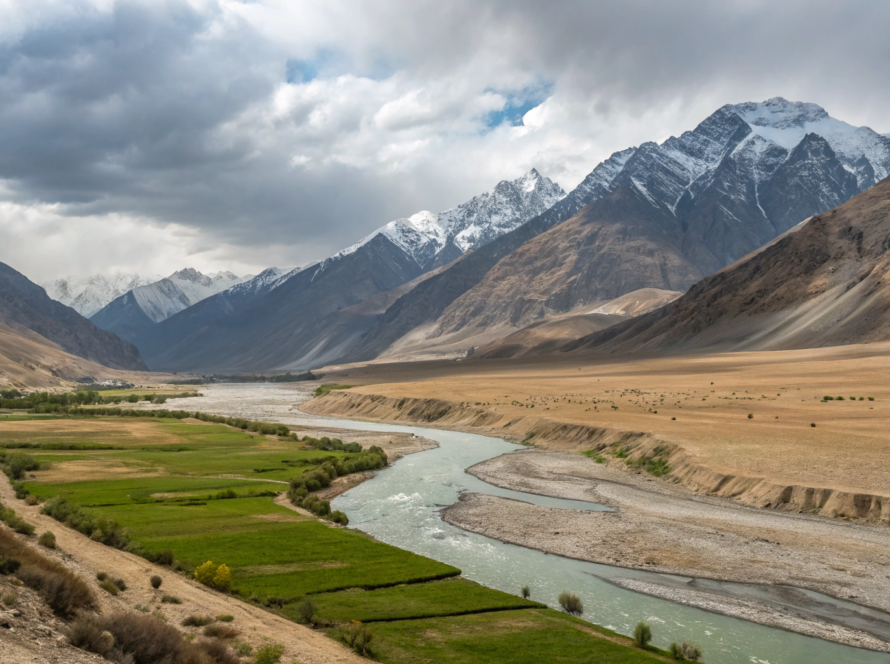
Climate change has emerged as one of the most pressing challenges to agriculture in Pakistan, particularly because of its profound impact on water availability. Over the past decades, shifts in rainfall patterns, rising temperatures, glacial melt, and prolonged dry spells have altered the timing and volume of water supplies. For a country where agriculture consumes more than ninety percent of freshwater resources, this is a serious threat to livelihoods, national food security, and rural economies. The Pakistan Council of Research in Water Resources reports that per capita water availability has dropped from 5,600 cubic meters in 1951 to less than 1,000 cubic meters today, crossing the threshold of water scarcity. Climate projections suggest further decline unless both farmers and policymakers adopt urgent adaptation strategies.
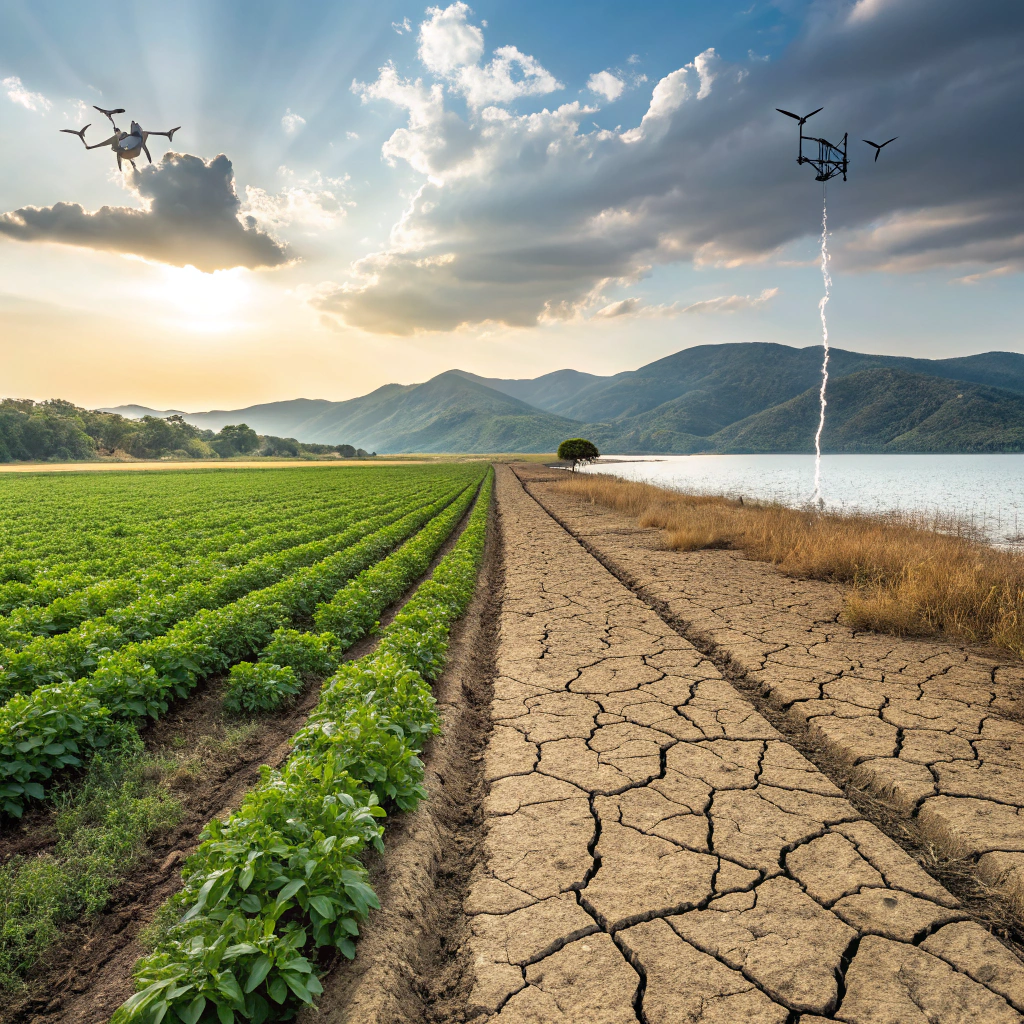
Adapting to climate-driven water scarcity means rethinking every stage of farming — from crop selection to irrigation scheduling, soil management, and community water governance. One of the most effective starting points is the adoption of climate-resilient crops and varieties. Research institutions such as the Pakistan Agricultural Research Council and provincial agricultural research centers have developed wheat, rice, and millet varieties that require less water, withstand higher temperatures, and mature earlier. Shifting from water-intensive crops, such as sugarcane in dry regions, to alternatives like sorghum or pulses can reduce irrigation demand by more than half without drastically lowering farm income. In areas such as Tharparkar, switching from maize to millet has helped farmers stabilize yields despite erratic rainfall, while also reducing the cost of irrigation.
The method of delivering water to crops is equally critical. Traditional flood irrigation, while simple and familiar, results in large losses through seepage, runoff, and evaporation. Modern techniques, such as drip irrigation, deliver water directly to the plant’s root zone, cutting wastage and often increasing yields. Sprinkler systems can serve vegetable and orchard farmers effectively, while laser land leveling improves uniformity and reduces water use by up to thirty percent. Research by the Food and Agriculture Organization in Punjab shows that drip irrigation has increased tomato yields by over one-third while reducing water use by half.
Equally important is the timing of irrigation. Many farmers water their crops on a fixed calendar schedule, but crop water needs vary greatly depending on growth stage and weather. By monitoring soil moisture — either with simple tools like tensiometers or more advanced sensors — and using weather forecasts, farmers can irrigate only when it is truly needed. Deficit irrigation, where slightly less water is applied but at critical growth stages such as flowering or grain filling, can maintain yields while conserving scarce resources.
Healthy soils are also a natural reservoir for water. Soils rich in organic matter can hold more moisture, making it available to plants for longer periods. Adding compost, farmyard manure, or green manure, and covering soil with mulch, reduces evaporation and improves water infiltration. Practices such as reduced tillage protect soil structure, while techniques like laser leveling prevent uneven water distribution that leads to waste. Cover crops during the off-season can further protect the soil surface, reduce erosion, and enhance its water-holding capacity.
Access to accurate climate and weather information is another powerful adaptation tool. Short-term weather forecasts help farmers decide whether to irrigate before a predicted rainfall or delay to take advantage of natural precipitation. Seasonal forecasts allow for more strategic planning, such as choosing crops or adjusting planting dates in anticipation of a wetter or drier season. NDPAAS can play a central role in delivering this information in plain language, using digital platforms, mobile applications, and community networks to ensure farmers make timely and informed decisions.
In regions with seasonal rainfall, harvesting and storing water for later use can significantly reduce vulnerability during dry spells. On-farm ponds, small storage tanks, and rooftop rainwater harvesting systems can capture runoff for later irrigation. In peri-urban areas, the safe reuse of treated wastewater for non-food crops or certain field crops is an emerging option that reduces demand on freshwater sources.
However, adaptation cannot be left to individual farmers alone. In many irrigation command areas, water is a shared resource, and one farmer’s overuse can mean another’s shortage. Community-based water user associations have proven effective in managing equitable distribution, scheduling irrigation turns, maintaining canals and pipes, and resolving disputes. When communities work together to match cropping patterns to available water, they can ensure more stable production even in times of scarcity.
Policy and institutional support form the backbone of any large-scale adaptation effort. Governments and development agencies can encourage change by providing subsidies for efficient irrigation equipment, distributing drought-tolerant seeds, expanding access to credit for smallholders, and strengthening agricultural extension services. Integrating climate adaptation into national water and agricultural strategies ensures that these measures are coordinated and sustained.
The challenge of climate-driven water scarcity is daunting, but it is not insurmountable. Across Pakistan, farmers, researchers, and policymakers are already experimenting with solutions that save water, protect yields, and maintain livelihoods. The role of platforms like NDPAAS is to bridge the gap between scientific research and on-the-ground practice — taking the latest findings, translating them into clear, actionable language, and sharing them freely with all stakeholders.
By acting now, combining field-level innovations with supportive policies, Pakistan’s agriculture can adapt to a changing climate, secure water resources, and safeguard food production for generations to come. This is not just an agricultural necessity; it is a national priority linked directly to achieving the Sustainable Development Goals, particularly those related to hunger, water, climate, and sustainable resource use.